Introduction
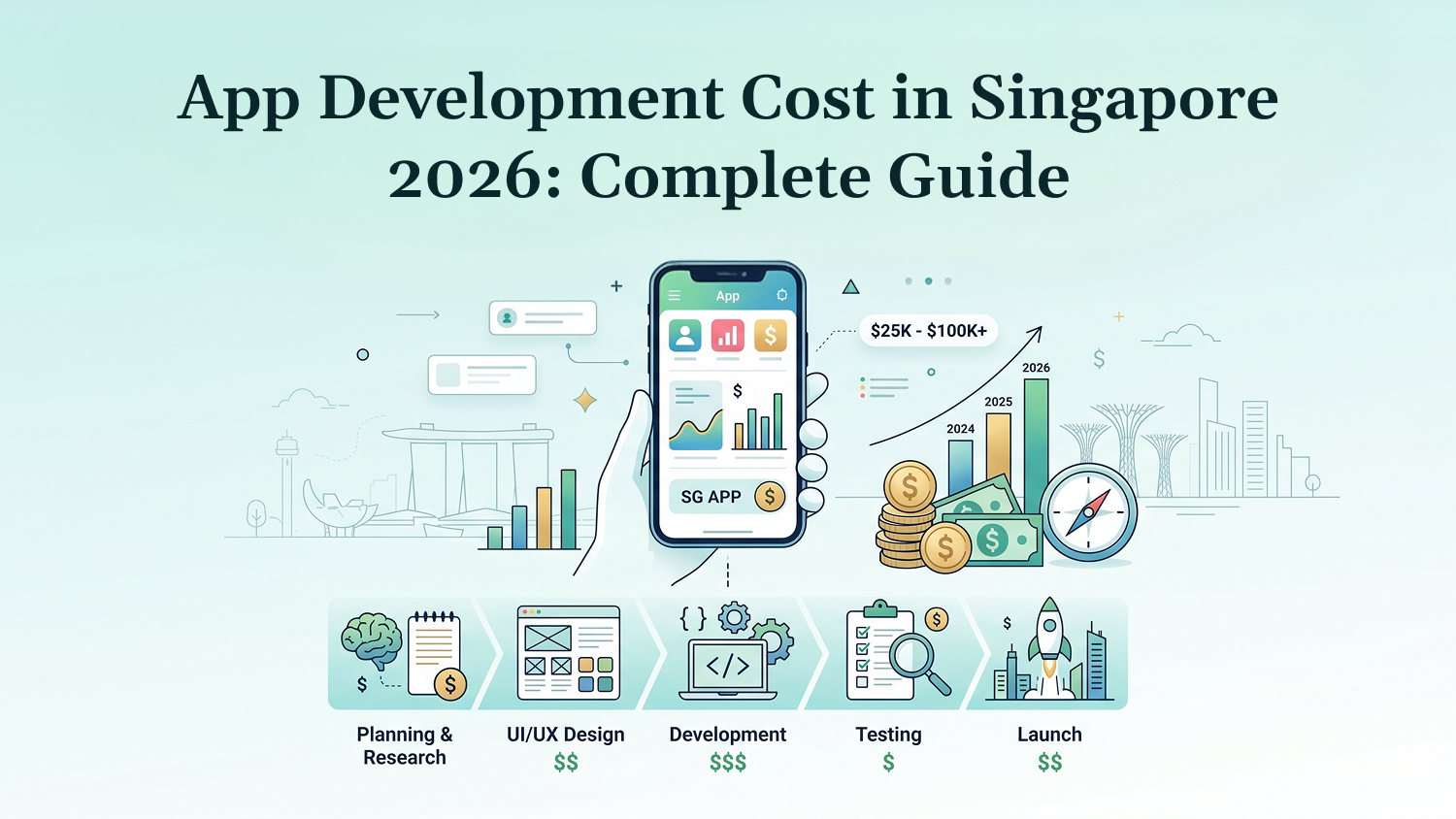
Singapore has become one of Asia’s fastest-growing technology markets, with businesses across fintech, healthcare, logistics, retail, and real estate investing heavily in mobile applications. As customer expectations continue shifting toward mobile-first experiences, companies are prioritizing digital products that improve accessibility, automate operations, and strengthen customer engagement.
In this guide, we will explore the actual cost of app development in Singapore in 2026, the biggest pricing factors, common hidden expenses, technology trends, and practical ways businesses can reduce development costs while still building high-quality products.
For businesses planning long-term digital growth, working with experienced product engineering teams like DEVtrust can help reduce technical risks while building scalable applications aligned with business goals.
Key Takeaways
- App development costs in Singapore vary significantly based on complexity and features
- AI-powered applications are increasing software development budgets in 2026
- Cross-platform development helps reduce both development and maintenance costs
- Infrastructure, security, and scalability planning directly impact long-term expenses
- Businesses that prioritize architecture early usually avoid costly rebuilds later
What Determines App Development Cost in Singapore?
There is no universal pricing structure for mobile app development because every project has different requirements, workflows, integrations, and user expectations.
Several technical and operational factors influence the final development of investment.
Major Cost Factors
- App complexity
- Number of user roles
- Backend infrastructure
- Platform selection
- Third-party integrations
- Security requirements
- Compliance standards
- AI functionality
- UI/UX customization
- Development timelines
- Maintenance requirements
Singapore remains one of the more premium software markets in Asia because businesses prioritize reliability, security, and product quality over short-term cost savings.
According to Singapore’s official digital economy initiatives from IMDA, businesses continue to accelerate investments in digital infrastructure, automation, and cloud technologies, which has further increased demand for experienced development teams.
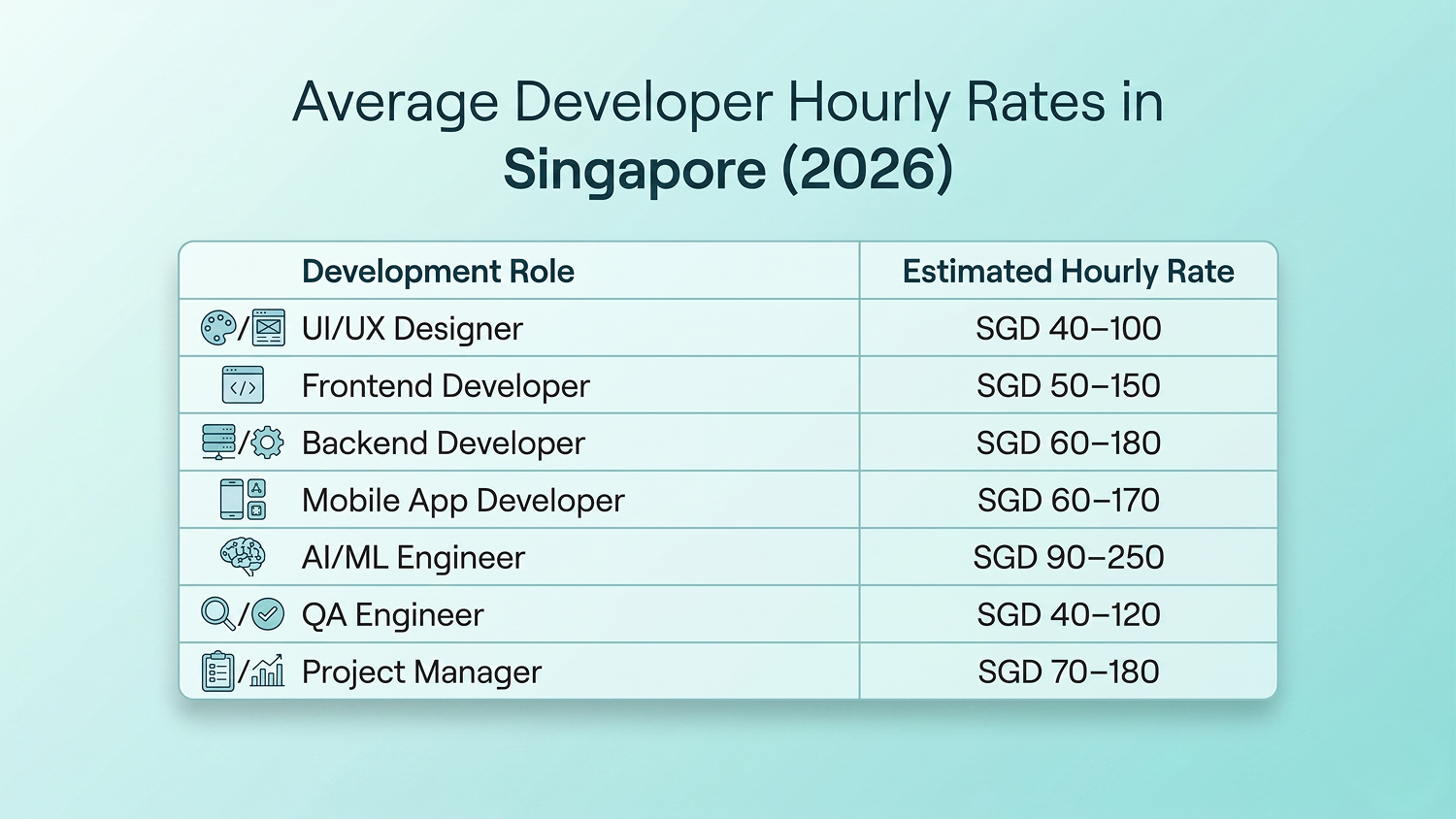
Average Developer Hourly Rates in Singapore (2026)
| Development Role | Estimated Hourly Rate |
|---|---|
| UI/UX Designer | SGD 40–100 |
| Frontend Developer | SGD 50–150 |
| Backend Developer | SGD 60–180 |
| Mobile App Developer | SGD 60–170 |
| AI/ML Engineer | SGD 90–250 |
| QA Engineer | SGD 40–120 |
| Project Manager | SGD 70–180 |
Rates vary based on expertise, industry specialization, and project complexity.
Agencies with experience in regulated industries like fintech and healthcare generally charge more because they must handle compliance, security, and scalability requirements.
Average App Development Cost in Singapore (2026)
1. Basic Applications
Basic applications usually include:
- Login systems
- Basic dashboards
- Static content
- Simple forms
- Minimal integrations
- Standard user flows
Estimated Cost
SGD 15,000 – SGD 40,000
Typical Timeline
2-4 months
Examples
- Booking apps
- Event applications
- Basic eCommerce MVPs
- Internal business tools
2. Medium Complexity Applications
These applications involve more advanced functionality and integration.
Common Features
- Payment gateways
- Push notifications
- API integrations
- Analytics dashboards
- User profiles
- Role-based permissions
Estimated Cost
SGD 40,000 – SGD 120,000
Timeline
4-8 months
Examples
- Healthcare applications
- SaaS products
- Logistics systems
- Learning platforms
3. Enterprise Applications
Enterprise platforms require significantly larger infrastructure and engineering effort.
Common Features
- AI integrations
- Real-time architecture
- Advanced analytics
- Large-scale databases
- Enterprise security
- Multi-platform ecosystems
Estimated Cost
SGD 120,000 – SGD 500,000+
Timeline
8–18 months
Examples
- Fintech ecosystems
- Enterprise ERP platforms
- AI-powered healthcare systems
- Large logistics networks
How Features Affect App Development Pricing
1. User Authentication Systems
Authentication may seem simple at first, but advanced access management significantly increases development complexity.
Features Affecting Pricing
- Multi-factor authentication
- Social login
- Biometric authentication
- Enterprise role management
- Single sign-on systems
Additional Estimated Cost
SGD 3,000 – SGD 15,000
2. Real-Time Features
Applications that use live updates require stronger backend systems and an event-driven architecture.
Examples
- Live tracking
- Messaging systems
- Activity feeds
- Real-time dashboards
- Notifications
Additional Estimated Cost
SGD 10,000 – SGD 40,000
3. Payment Gateway Integration
Secure payment infrastructure increases both engineering and compliance requirements.
Common Integrations
- Stripe
- PayNow
- PayPal
- Apple Pay
- Subscription billing systems
Additional Estimated Cost
SGD 5,000 – SGD 25,000
Security recommendations from the OWASP Foundation continue to influence how businesses structure secure payment workflows and authentication systems in modern applications.
4. AI and Automation Features
AI integration is becoming one of the biggest pricing drivers in 2026.
Businesses Are Integrating
- AI chatbots
- Recommendation systems
- Workflow automation
- AI search systems
- Predictive analytics
- Intelligent reporting
Additional Estimated Cost
SGD 20,000 – SGD 150,000+
AI systems require specialized infrastructure, training pipelines, cloud computing resources, and ongoing optimization.
iOS vs Android vs Cross-Platform Development Cost
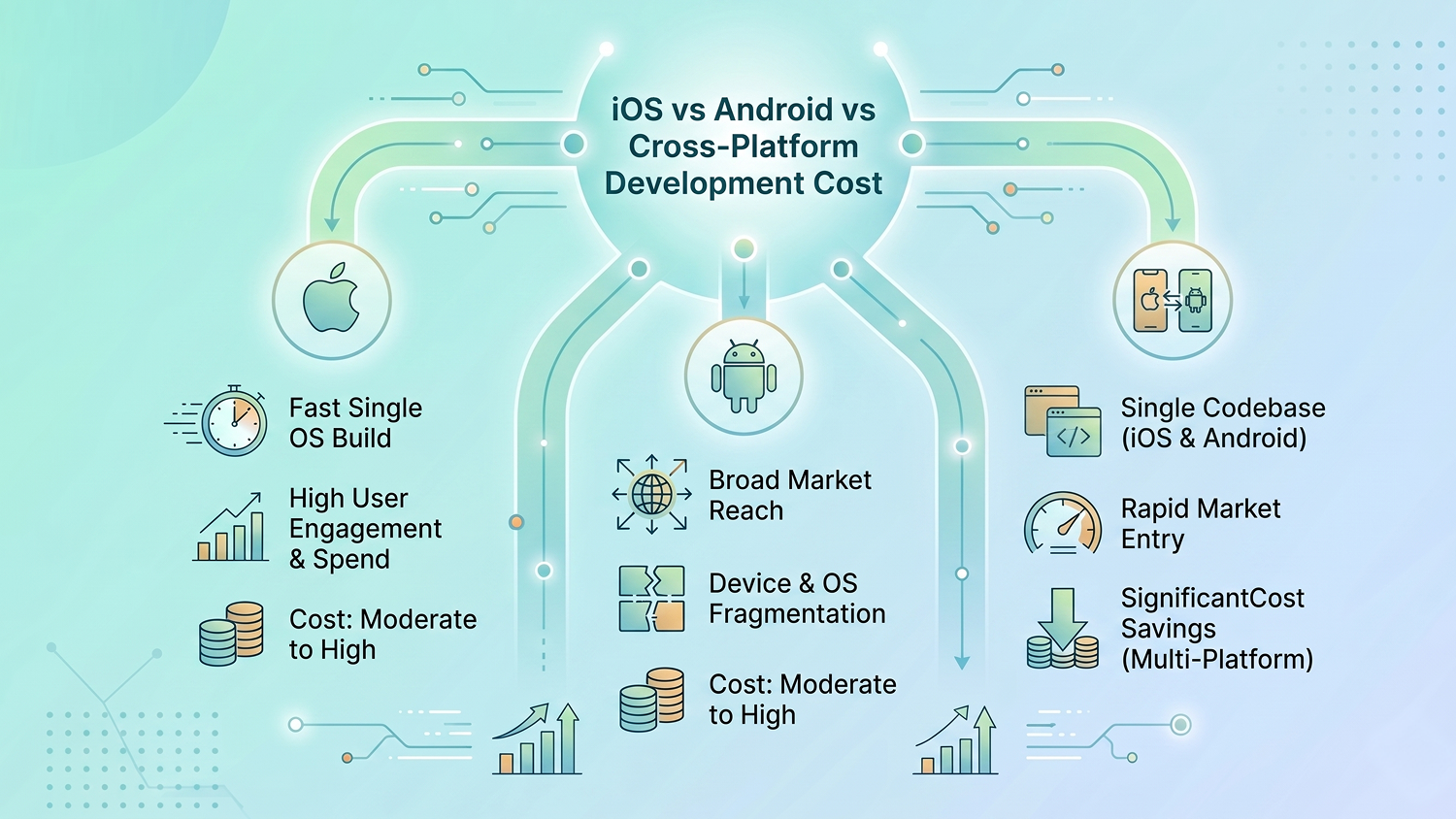
1. Native iOS Development
Native iOS apps are built specifically for Apple devices using Swift or Objective-C.
Benefits
- Strong performance
- Better Apple ecosystem integration
- High security standards
- Improved user experience
Estimated Cost
SGD 30,000 – SGD 250,000+
2. Native Android Development
Android applications support a broader device ecosystem.
Challenges
- Device fragmentation
- Extensive compatibility testing
- Multiple screen resolutions
Estimated Cost
SGD 30,000 – SGD 250,000+
3. Cross-Platform Development
Cross-platform frameworks allow businesses to maintain one shared codebase.
Popular Frameworks
- Flutter
- React Native
Benefitsa
- Faster development
- Lower maintenance cost
- Faster deployment
Estimated Cost
SGD 25,000 – SGD 180,000+
Cross-platform development is increasingly popular among startups and SMEs because it effectively balances cost and scalability.
UI/UX Design Cost in Singapore
Design now plays a major role in both user retention and product success.
Businesses in Singapore increasingly prioritize:
- Modern interfaces
- Accessibility
- Faster navigation
- Personalized experiences
- Brand consistency
Design Cost Breakdown
| Design Component | Estimated Cost |
|---|---|
| Wireframes | SGD 2,000 – SGD 10,000 |
| UI Design | SGD 5,000 – SGD 30,000 |
| UX Research | SGD 3,000 – SGD 20,000 |
| Interactive Prototypes | SGD 2,000 – SGD 15,000 |
Poor UX decisions often lead to expensive redesigns later.
Backend Infrastructure and Cloud Costs
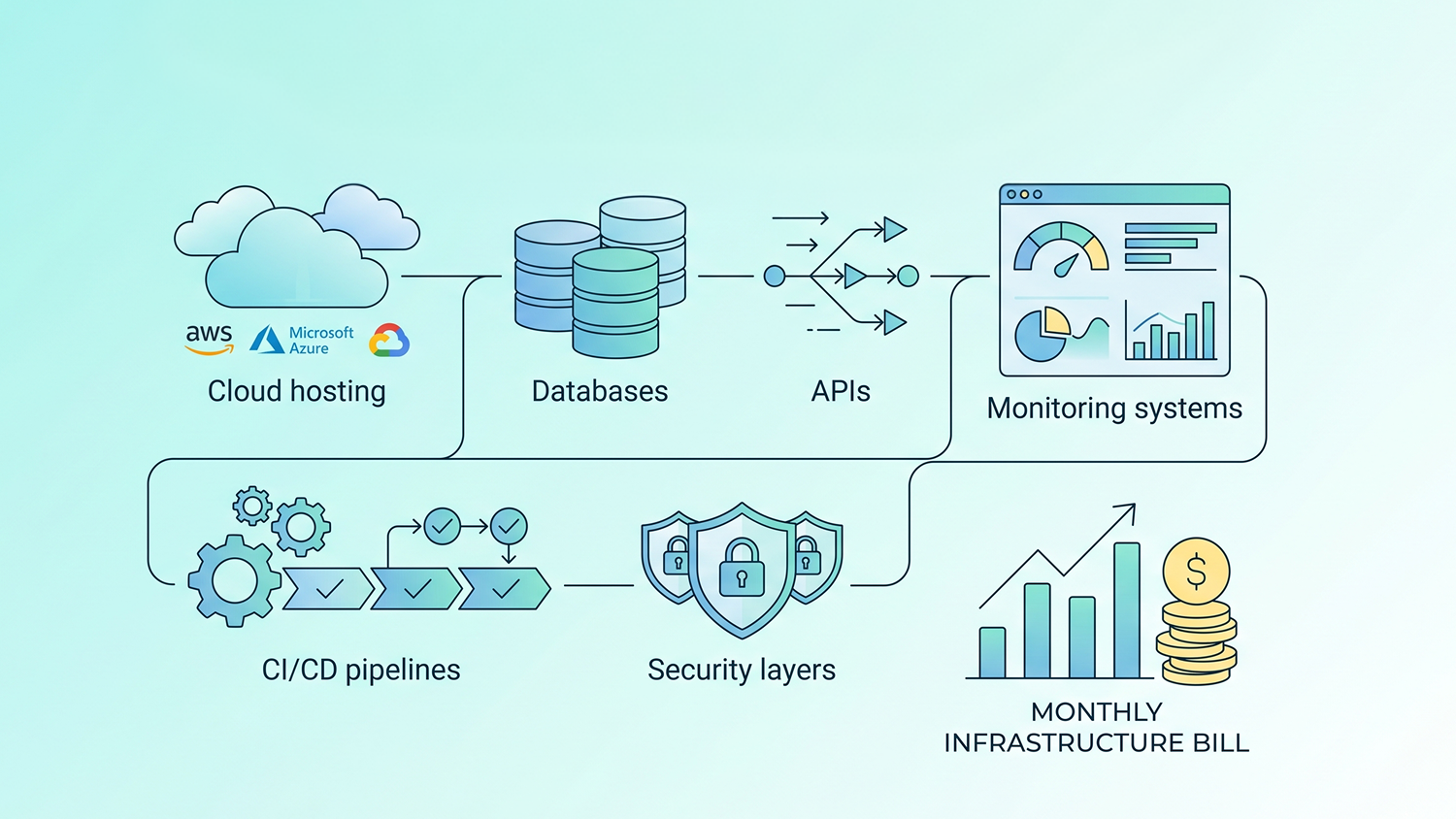
Modern applications depend heavily on scalable cloud infrastructure.
1. Common Infrastructure Components
- Cloud hosting
- Databases
- APIs
- Monitoring systems
- CI/CD pipelines
- Security layers
2. Popular Cloud Providers
- AWS
- Microsoft Azure
- Google Cloud
3. Monthly Infrastructure Costs
| Business Size | Monthly Cost |
| Startup MVP | SGD 100 – SGD 1,000 |
| Medium Platform | SGD 1,000 – SGD 8,000 |
| Enterprise Platform | SGD 8,000 – SGD 50,000+ |
As applications scale, infrastructure expenses often become one of the highest long-term operational costs.
App Maintenance Cost in 2026
Development does not end after launch.
Applications require continuous:
- Bug fixes
- Security updates
- Performance optimization
- OS compatibility updates
- Infrastructure monitoring
- Feature improvements
Average Maintenance Cost
Businesses typically spend:
15–25% of the initial development cost annually
For example:
If development costs SGD 100,000, annual maintenance may range between:
SGD 15,000 – SGD 25,000
Hidden App Development Costs Businesses Often Ignore
1. Compliance and Security
Industries such as healthcare and fintech require strict compliance implementation.
Common Standards
- PDPA
- HIPAA
- PCI DSS
Compliance significantly increases the complexity of architecture and development.
2. Third-Party APIs
Many businesses underestimate API usage fees.
Common APIs
- Google Maps
- OpenAI
- Firebase
- Twilio
- Stripe
These costs scale rapidly as user traffic grows.
3. App Store Expenses
Publishing applications involves additional recurring costs.
Examples
- Apple Developer Program fees
- Google Play fees
- Testing devices
- App Store Optimization
4. Scaling Infrastructure
As traffic increases, applications often require:
- Load balancing
- CDN services
- Advanced caching systems
- Auto-scaling servers
Scaling architecture is frequently underestimated during early planning.
Why Businesses in Singapore Are Investing More in Apps in 2026
1. Mobile-First Consumer Behavior
Consumers increasingly expect mobile-first digital experiences across industries.
Examples
- Banking
- Retail
- Healthcare
- Logistics
- Education
Businesses without strong digital experiences risk losing customers to competitors.
2. AI Adoption
AI has shifted from experimental technology to a business requirement.
Businesses Are Integrating
- AI automation
- Personalized recommendations
- AI assistants
- Predictive systems
This trend is increasing overall investment in app development.
3. Rapid Digital Transformation
Singaporean businesses continue to modernize their operations aggressively.
Industries Investing Heavily
- Fintech
- Healthtech
- Logistics
- Real estate
- Retail
- Education
This trend is increasing overall investment in app development.
Freelancers vs Agencies vs In-House Teams
| Option | Pros | Cons |
| Freelancers | Lower upfront cost | Limited scalability |
| In-House Teams | Full internal control | Very expensive long-term |
| Development Agencies | Structured delivery and expertise | Higher upfront investment |
For many businesses, agencies offer the best balance between quality, project management, and scalability.
How Businesses Can Reduce App Development Costs
1. Start With an MVP
Building only essential features first helps reduce unnecessary spending.
Benefits
- Faster launch
- Lower initial investment
- Early market validation
2. Use Cross-Platform Frameworks
Shared codebases reduce duplicated engineering work.
This Helps Lower
- Development time
- Maintenance costs
- Team size requirements
3. Prioritize Scalable Architecture Early
Short-term technical shortcuts often lead to higher future costs.
Scalable architecture reduces:
- Rebuild expenses
- Downtime
- Performance bottlenecks
4. Choose the Right Technology Partner
Experienced engineering teams reduce:
- Delays
- Security risks
- Technical debt
- Expensive rework
The cheapest development option often becomes the most expensive later.
App Development Trends Affecting Costs in 2026
1. AI-Powered Applications
AI integration continues to increase development budgets while also improving automation and efficiency.
2. Low-Code Development
Low-code tools reduce development effort for smaller applications.
However, enterprise systems still require custom engineering.
3. Cloud-Native Architecture
Businesses increasingly prefer cloud-native systems because they improve scalability and reliability.
4. Cybersecurity Investment
Security is now treated as a core infrastructure requirement rather than an optional feature.
Businesses are investing heavily in:
- Encryption
- Authentication
- Threat detection
- Infrastructure security
How DEVtrust Helps Businesses Build Scalable Apps
DEVtrust helps startups and enterprises build scalable applications that are performance- and security-focused, with long-term growth in mind.
Services
- Mobile app development
- Cross-platform applications
- Enterprise software engineering
- AI-powered systems
- Cloud-native architecture
- API integrations
- UI/UX design
Real-World Example
A Singapore-based logistics company needed a scalable mobile platform for real-time fleet management.
DEVtrust developed:
- A cross-platform mobile application
- Real-time delivery tracking
- Automated route optimization
- Analytics dashboards
- Cloud infrastructure integration Results
- 45% improvement in operational efficiency
- Faster delivery coordination
- Reduced manual workload
- Better customer visibility
Conclusion
App development costs in Singapore in 2026 depend on much more than coding hours alone. Infrastructure, scalability, AI integration, security, design quality, and long-term maintenance all influence the final investment.
Businesses today are not simply building apps for digital presence. They are creating operational platforms designed to automate workflows, improve customer experience, and support long-term business growth.
While initial development investment may appear high, scalable architecture and experienced engineering teams often significantly reduce operational costs over time.
Companies that plan carefully, prioritize scalability, and choose the right technology partner are more likely to build successful digital products that continue delivering value well beyond launch.
Ready to Build Your App in Singapore?
Whether you are launching an MVP for a startup, an enterprise platform, or an AI-powered mobile application, DEVtrust helps businesses build scalable digital products aligned with long-term business goals.
App Development Cost in Singapore 2026
App development costs in Singapore vary based on complexity, integrations, infrastructure, and scalability requirements. In 2026, businesses are increasingly investing in AI-powered, cloud-native, and mobile-first applications to improve operations and the customer experience.
Frequestly Asked Questions
Related Articles
Mobile App Development
Blockchain App Development Explained for Product and Tech Leaders
Mobile App Development
A Step-by-Step Framework for Business Mobile App Development
Mobile App Development