Running logistics in 2026 feels very different from even a few years ago. Deliveries are expected to be faster, customers want constant updates, and businesses are handling far more data than before. On top of that, fuel costs, delays, and supply disruptions keep adding pressure.
Many companies are still trying to manage all of this with a mix of spreadsheets, manual coordination, and disconnected tools. That usually leads to missed timelines, confusion across teams, and rising costs. As operations grow, these gaps become harder to ignore.
Logistics management software helps businesses bring everything into one place. Instead of reacting to problems, teams can plan better, track everything in real time, and make quicker decisions. This shift is what’s driving more companies to adopt these systems as a core part of their operations.
In this blog, we’ll walk through how logistics management software works, where it fits into daily operations, and why it’s becoming essential for supply chains in 2026.
Key Takeaways
- Better visibility across shipments, inventory, and operations
- Reduced costs through smarter planning and routing
- Less manual work with automated workflows
- Faster decision-making with real-time data
- Stronger operational control as businesses scale
What Is Logistics Management Software?
At its core, logistics management software is a system that helps businesses move goods more efficiently. Instead of juggling multiple tools, everything is managed from a single platform.
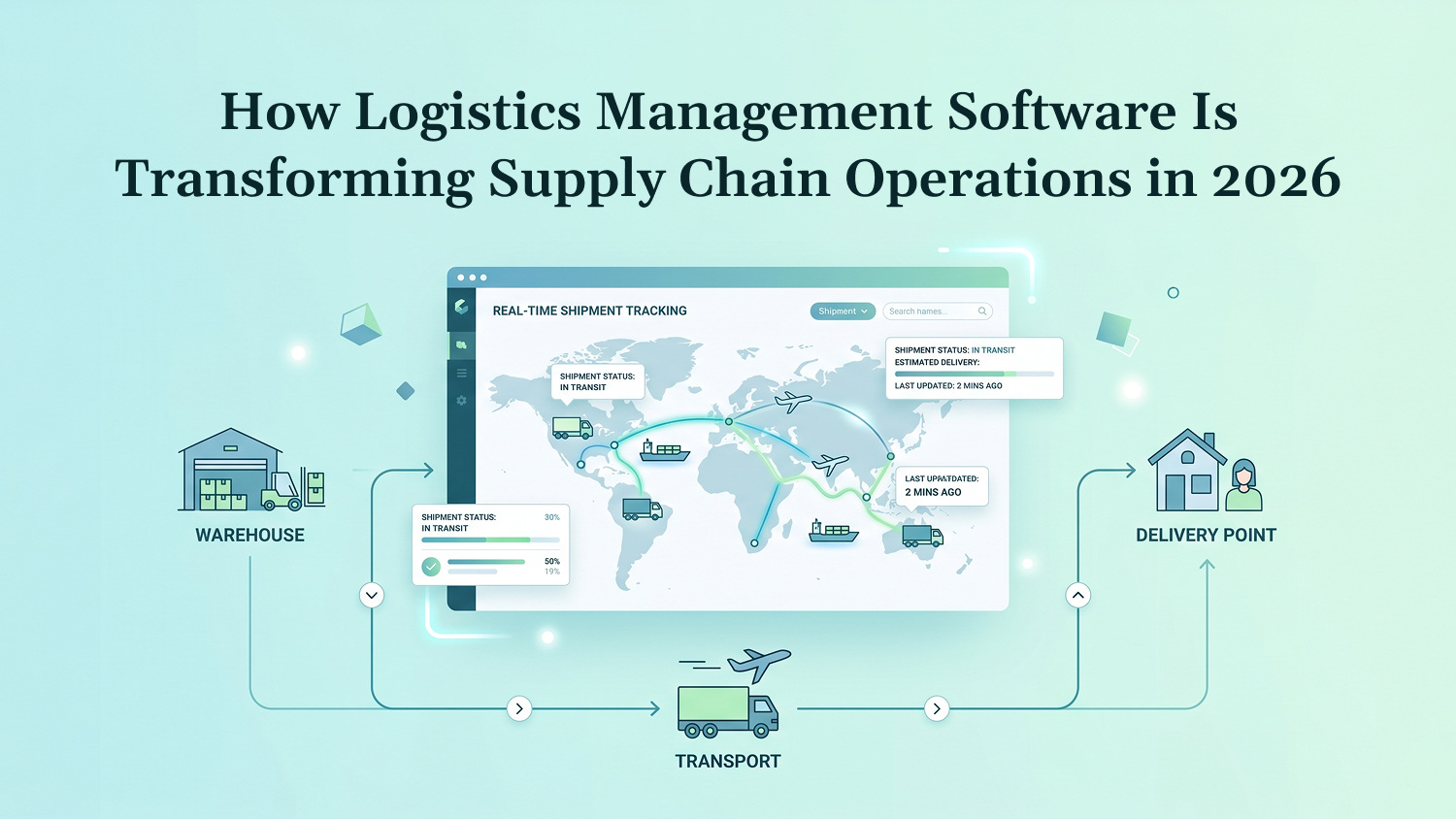
It collects information from various sources, including GPS trackers, warehouse systems, order platforms, and transport networks. This data is updated continuously, giving teams a clear picture of what is happening at any moment.
With this setup, businesses can track deliveries, manage stock, plan routes, and monitor performance without switching between systems. It cuts down manual work and helps teams stay aligned.
What Is the Role of Logistics Management Software in Modern Operations?
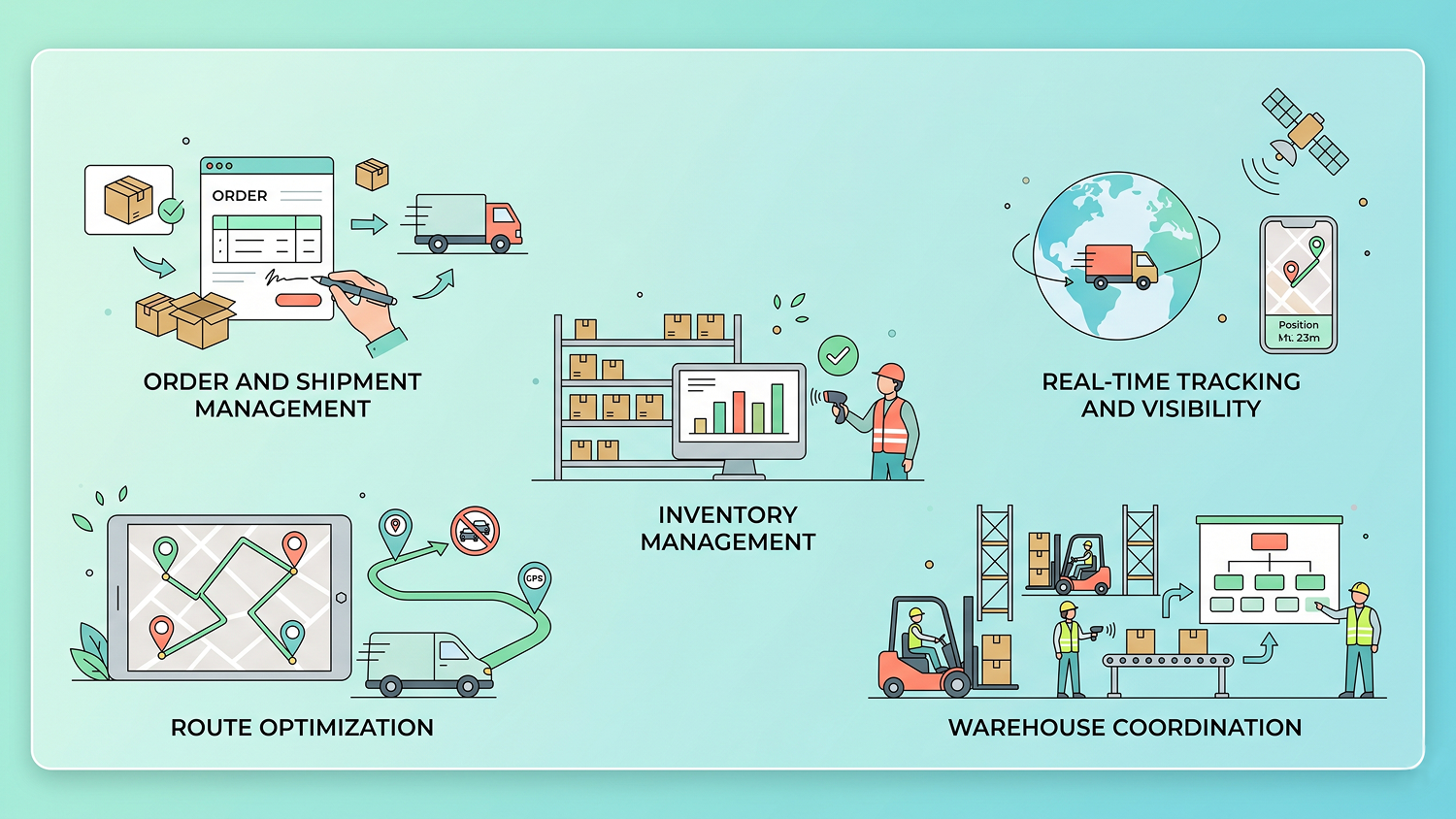
1. Order and Shipment Management
Handling orders manually often leads to delays or errors. With logistics software, the entire flow becomes more organized.
Orders are tracked from the moment they are placed until they reach the customer. The system assigns shipments, updates statuses, and keeps everything on schedule without constant manual checks.
2. Route Optimization
Choosing the right route is not always straightforward. Traffic, delivery windows, and vehicle capacity all play a role.
Logistics software processes these factors and suggests better routes. This reduces unnecessary travel, saves fuel, and helps drivers complete deliveries on time.
3. Inventory Management
Inventory problems can slow down the entire supply chain. Too much stock increases costs, while too little creates delays.
With real-time updates, businesses always know what is available and where. This makes planning easier and reduces last-minute surprises.
4. Real-Time Tracking and Visibility
One of the biggest improvements comes from visibility. Instead of guessing where shipments are, teams can track them in real time.
This makes it easier to handle delays, update customers, and keep operations running smoothly. It also builds more trust with clients.
5. Warehouse Coordination
Warehouse operations involve multiple steps that need to be synced.
Logistics software helps organize picking, packing, and dispatching so that orders move faster and with fewer mistakes.
Why Are Businesses Adopting Logistics Management Software in 2026?
- Supply chains now involve multiple systems and partners
- Customers expect quick deliveries and accurate updates
- Businesses are working with more data than before
- Tools have become easier to implement and scale
- Cost pressure is pushing companies to optimize operations
- Compliance and tracking requirements are increasing
In simple terms, logistics has become too complex to manage without proper systems in place.
Advanced Applications of Logistics Management Software
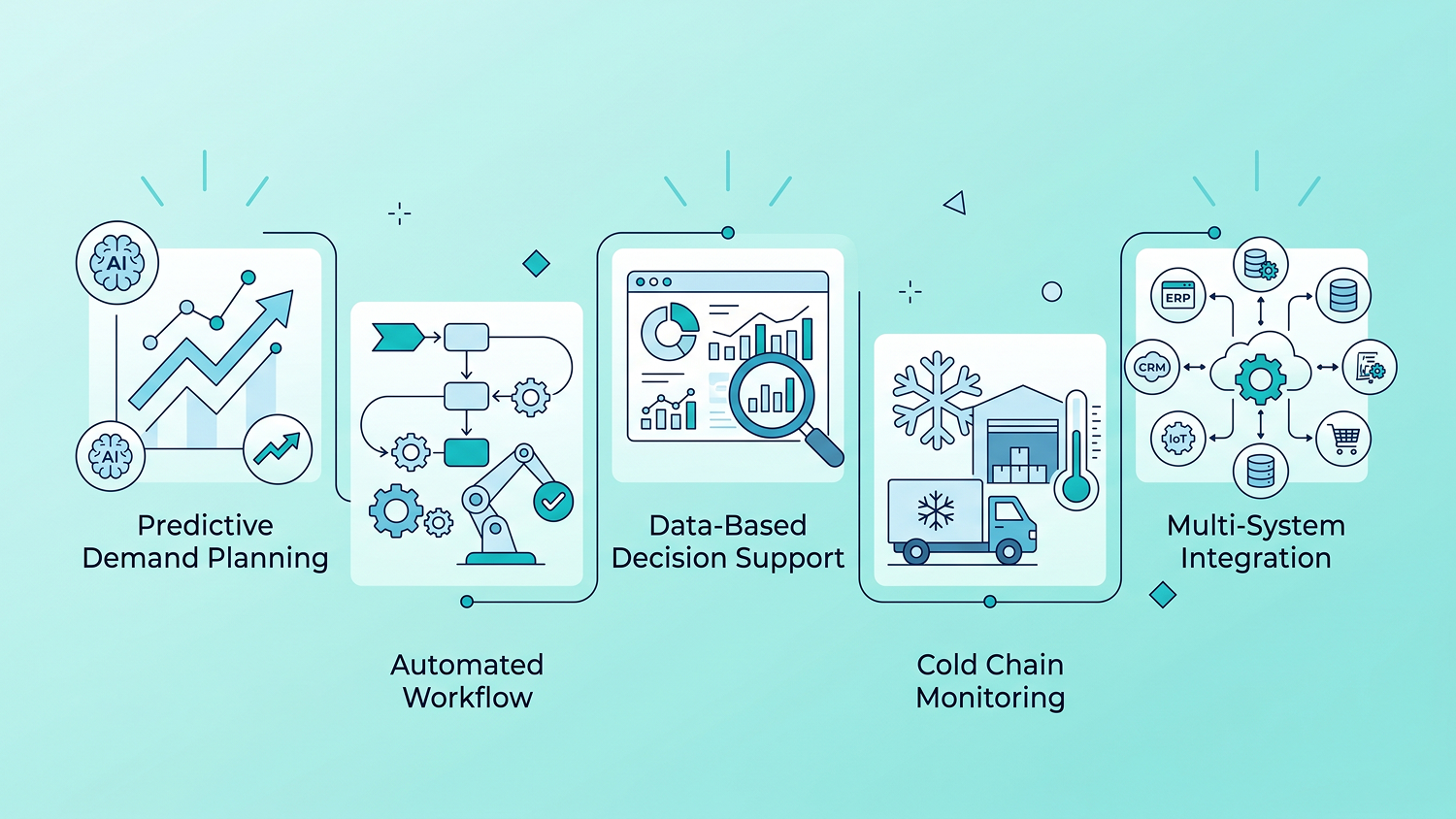
1. Predictive Demand Planning
Instead of reacting to demand, businesses can now prepare for it.
By studying past data and trends, systems can estimate future demand. This helps in stocking the right products at the right time.
2. Automated Workflow Management
A lot of time is lost in repetitive tasks like order processing or scheduling.
Automation handles these activities, allowing teams to focus on work that actually needs attention.
3. Data-Based Decision Support
Modern systems do more than display data. They help interpret it.
Managers receive suggestions based on current conditions, which speed up and improve decision-making.
4. Cold Chain Monitoring
For sensitive goods, even small temperature changes can cause losses.
Logistics software tracks these conditions and sends alerts if anything goes wrong, helping prevent damage.
5. Multi-System Integration
Logistics doesn’t work in isolation anymore.
Software now integrates with e-commerce platforms, ERP systems, and other tools, keeping all operations aligned.
How Industry Leaders Are Using Logistics Management Software
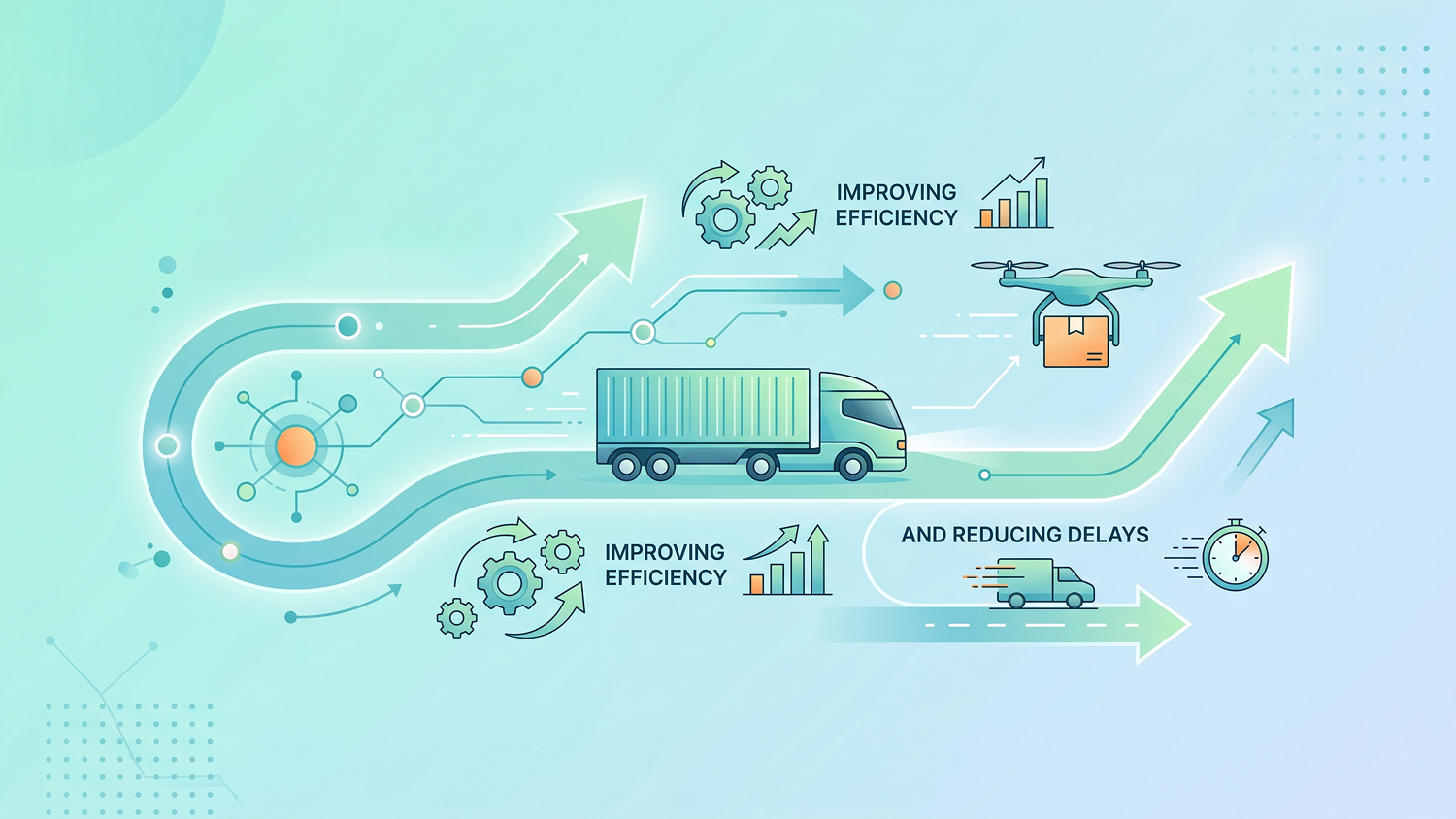
1. Amazon
Amazon relies heavily on advanced logistics systems to manage large-scale operations. From automated warehouses to fast deliveries, everything is driven by data and coordination.
2. DHL
DHL uses logistics platforms to improve route planning and handle complex global operations more efficiently.
3. FedEx
FedEx focuses on tracking and visibility, enabling both teams and customers to stay up to date on shipments in real time.
These examples show how technology can turn logistics into a strength rather than a challenge.
Challenges of Logistics Management Software Adoption
High Initial Investment
Problem: Setup costs can feel high at the start
Solution: Begin with smaller implementations and expand over time
Integration Issues
Problem: Older systems may not connect easily
Solution: Choose platforms that support flexible integrations
Data Management Complexity
Problem: Managing large amounts of data can get overwhelming
Solution: Keep data structured and centralized
Employee Adoption
Problem: Teams may be hesitant to switch systems
Solution: Offer proper training and involve them early
System Maintenance
Problem: Ongoing updates are required
Solution: Work with reliable development partners
What Is Next for Logistics Management Software in 2026?
- Systems will start predicting issues before they happen
- Automation will become more widespread
- Real-time tracking will be expected, not optional
- Decision-making tools will become more practical and accurate
- Different platforms will work together more smoothly
Logistics software is gradually becoming the foundation of how supply chains operate.
How DEVtrust Helps
DEVtrust focuses on building logistics systems that fit real business needs. Instead of forcing companies to adapt to software, the approach is to design solutions around existing workflows.
Services
- Custom logistics software development
- Tracking and visibility systems
- Route planning tools
- Warehouse management solutions
- Integration with external platforms
Real-World Example
A logistics company faced delays due to poor visibility and manual coordination.
DEVtrust built a system that connects operations, improved tracking, and streamlined workflows.
Results:
- Faster deliveries
- Fewer delays
- Better coordination across teams
Conclusion
Managing logistics has become more demanding, and traditional methods are no longer enough. Businesses need systems that can keep up with real-time operations and growing expectations.
Logistics management software helps bring structure, clarity, and efficiency into the process. Companies that adopt it early are finding it easier to scale and stay competitive.
Ready to Upgrade Your Logistics Operations?
If improving efficiency and reducing delays is a priority, this is the right time to explore better systems.
DEVtrust can help you build solutions that align with your operations and support long-term growth.
How Logistics Management Software Is Transforming Supply Chain Operations
Logistics management software allows businesses to manage deliveries, track inventory, and improve coordination. It supports faster operations and better decision-making.