The global fantasy sports app market is experiencing rapid expansion. According to Technavio, the market is projected to grow by USD 10.13 billion from 2025 to 2029, driven by the launch of new fantasy sports apps and the increasing use of fantasy sports for brand promotion.
For entrepreneurs and developers considering entering this dynamic market, understanding the cost to develop a fantasy sports app is imperative. The development process involves various factors, including feature complexity, platform selection, and integration of third-party services.
This guide provides a comprehensive breakdown of the key cost determinants involved in developing fantasy sports apps. It will help you make informed decisions and create an app that meets both user expectations and business objectives.
Key Takeaways
- The cost to develop a fantasy sports app is influenced by the features you include, from basic functionalities to complex systems like live updates and player trading.
- A well-designed UI/UX is important for user retention and satisfaction, though custom designs may increase development costs.
- The choice between native and cross-platform development affects both initial costs and the app’s long-term performance.
- A solid backend architecture and the right technology stack are essential for scalability and app performance as user numbers grow.
- Ongoing maintenance, including bug fixes, updates, and customer support, will contribute around 15% to 20% of the initial development cost annually.
- Careful budgeting and using methods like function point analysis or expert judgment can help estimate costs and avoid overspending on features.
Core Cost Drivers in Fantasy Sports App Development
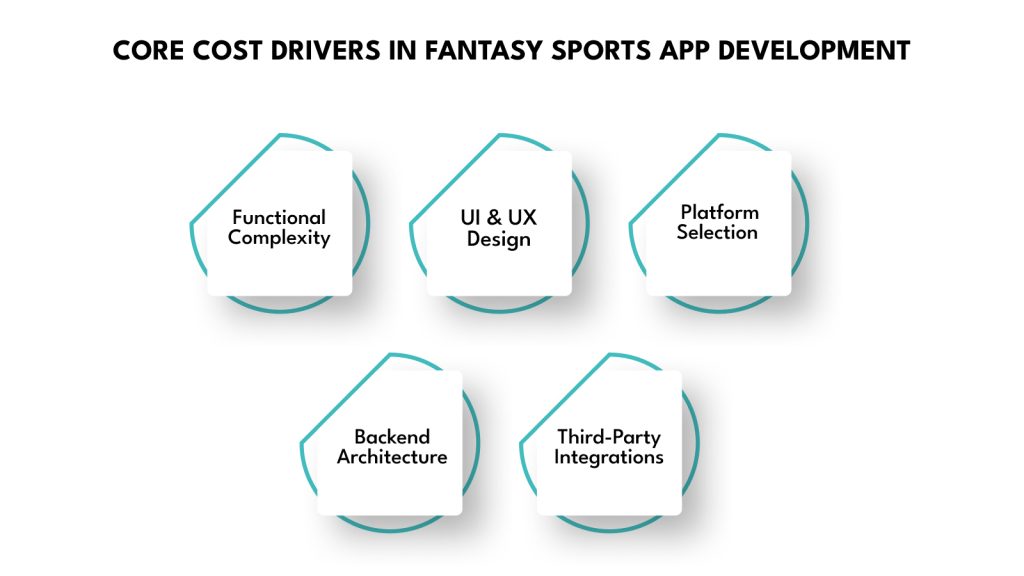
Developing a fantasy sports app requires careful evaluation of various cost drivers. Below, we examine the key factors that impact the cost of app development, enabling you to make informed decisions.
1. Feature Set and Functional Complexity
The features included in your fantasy sports app are a major cost determinant. A basic app with features such as user registration and player statistics is more affordable. However, an app with complex features such as player trading, live score updates, and dynamic drafting increases the cost.
- Core Features: User authentication, game mechanics, player stats, and team management are essential to the app’s basic function.
- Advanced Features: These include custom scoring, dynamic player trading, live updates, and user rankings.
- Customization: Tailoring the app to include specific sports or offering advanced player statistics will increase both backend and frontend development time and costs.
The more complex the features, the higher the development costs, but these features will enhance user engagement and retention in the long run.
2. User Interface (UI) and User Experience (UX) Design
UI/UX design determines how easily users interact with your app. While users expect quick, seamless functionality, they also demand a visually appealing interface. The quality of your design shows whether users stick with your app or abandon it.
- Custom Design: A bespoke design that fits your brand and enhances user experience will naturally incur higher costs.
- Template Design: More affordable but may not offer the flexibility and uniqueness of a custom design.
- Responsive Design: A responsive app ensures that your users have a smooth experience across all devices, which is increasingly important in today’s mobile-first world.
Ultimately, an engaging UI/UX design results in improved customer satisfaction and retention, making the investment worthwhile.
3. Platform Selection: Native vs. Cross-Platform
Choosing the platform for your fantasy sports app will directly impact your costs. Developing for iOS and Android natively means separate codebases, resulting in higher development costs. Alternatively, cross-platform development allows you to build one app for both platforms.
- Native Apps: Separate development for iOS and Android, higher initial costs, but better performance and user experience.
- Cross-Platform Apps: A cost-effective solution using frameworks like React Native, but sometimes at the cost of performance or native functionality.
Selecting the right platform is crucial to balancing your budget with the need for performance and user experience.
4. Backend Architecture and Technology Stack
The backend of your fantasy sports app supports all the features and functionalities on the frontend. It is responsible for processing data, managing users, handling game mechanics, and storing player data. The complexity of the backend directly impacts your development costs.
- Monolithic Architecture: Easier to develop initially, but harder to scale in the long term.
- Microservices Architecture: More expensive to build initially, but offers better scalability, flexibility, and fault tolerance.
- Tech Stack: Choosing the right backend technology, such as Node.js, Django, or Python, and database systems like PostgreSQL or MongoDB will influence the overall cost.
A solid backend architecture ensures your app can handle growth without compromising performance.
5. Third-Party Integrations
Integrating third-party services for payments, real-time data feeds, social media logins, and more adds both value and cost to your fantasy sports app. For example, integrating APIs for live sports data or implementing payment gateways for transactions comes with licensing costs or usage fees.
- Payment Gateways: Platforms like Stripe, PayPal, or Razorpay require a small transaction fee for each payment processed.
- Sports Data APIs: Live score and player data integrations typically require licenses, adding to your ongoing expenses.
- Authentication APIs: Integrating social login options, such as Google or Facebook, increases user convenience but incurs small integration fees.
While third-party integrations can elevate the app’s functionality, they must be factored into your total development budget.
Now that we’ve covered the key cost drivers, let’s examine the essential features of a fantasy sports app and their impact on costs.
Essential Features and Their Cost Implications
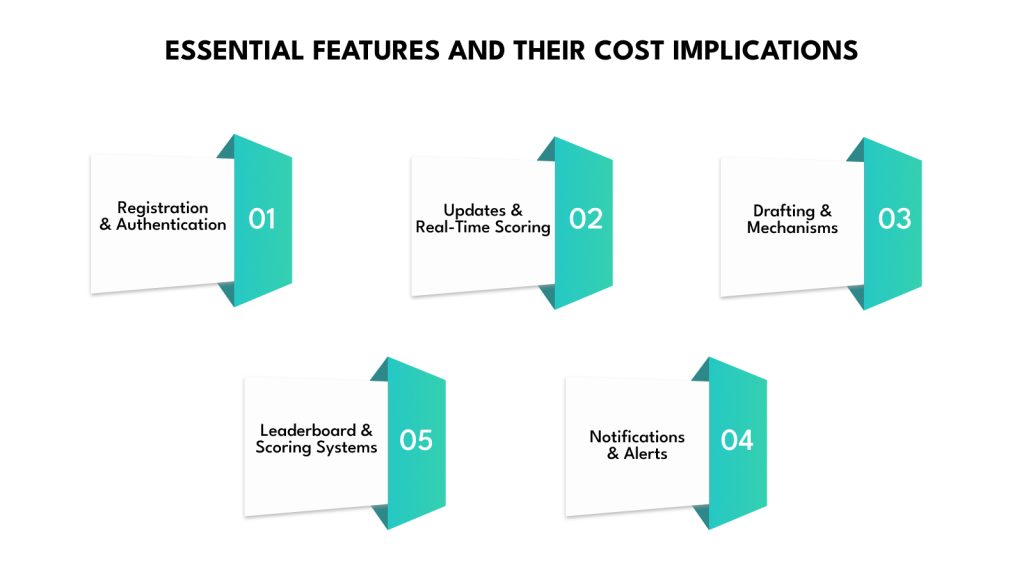
These core features are crucial for the app’s functionality and directly impact its development costs. Let’s explore how each contributes to the overall budget.
1. User Registration and Authentication
The registration process is the entry point for your users, and it must be secure and straightforward. Basic authentication using email or password is the least expensive, but multi-factor authentication (MFA) or social logins add to the costs.
- Email and Password: Cost-effective but not the most secure.
- OAuth and Social Logins: More secure and convenient, leading to increased development costs.
- Multi-Factor Authentication: Adds an extra layer of security, especially important for apps dealing with financial transactions.
2. Live Game Updates and Real-Time Scoring
Providing real-time game updates and scores is a key feature of any fantasy sports app. Integrating third-party APIs for live sports data or developing a custom solution can impact development costs.
- Third-Party APIs: Licensing fees for services like Stats Perform or Opta.
- Custom Solutions: Higher initial costs but greater control and customization.
Real-time data processing requires a robust backend infrastructure capable of handling large amounts of data in real time.
3. Drafting and Trading Mechanisms
The player drafting system is central to any fantasy sports app. This system must be intuitive and fast, as it handles critical in-game player decisions. The complexity of this feature depends on how sophisticated you want the player selection and trading mechanics to be.
- Basic Drafting: Simple, text-based systems are generally more cost-effective.
- Dynamic Drafting Systems: These systems involve real-time updates and a more complex UI/UX design.
4. Leaderboard and Scoring Systems
Leaderboards are integral to fantasy sports apps, displaying users’ current standings in comparison to those of other participants. Building a dynamic, real-time leaderboard requires backend resources for fast data processing.
- Custom Leaderboards: Tailored to your specific game format, but require more time and effort to build.
- Real-Time Updates: Ensuring the leaderboard updates as quickly as the game stats do.
5. Notifications and Alerts
Push notifications are essential for keeping users engaged. Users need timely updates on their teams, trades, and upcoming games. While important, these features do incur costs for API services.
- Push Notifications: Using Firebase or AWS Pinpoint can add small ongoing costs based on usage.
As your app evolves, integrating advanced functionalities into it can enhance the user experience but also increase development costs.
Advanced Functionalities and Their Impact on Budget
As your app scales, you may introduce more advanced functionalities that increase engagement. These features come with additional development costs but can be crucial for long-term success.
1. Multi-Sport and Multi-League Support
Supporting multiple sports and leagues increases the complexity of the app, both in terms of data management and user interface.
- Sports-Specific Scoring: Each sport needs a tailored scoring and player management system.
- Multiple Leagues: More leagues mean more data to handle, requiring a more complex backend.
2. Social Community Features
Integrating social features, such as live chat, forums, or private leagues, enhances user interaction but requires additional backend infrastructure and moderation tools.
- Live Chat: Requires real-time server updates, which can be resource-intensive.
- Private Leagues: Adding private leagues with custom settings adds complexity to the database.
3. Data Analytics and Insights
AI-powered analytics can provide users with personalized insights, such as player recommendations or predictive analytics. This feature adds significant value but comes with higher development and data storage costs.
- Predictive Analytics: Requires AI or machine learning models to generate insights based on historical data.
- User Behavior Analytics: Collecting and analyzing data to provide users with recommendations.
4. Augmented Reality (AR) and Virtual Reality (VR) Capabilities
Integrating AR or VR for a more immersive user experience adds significant costs in terms of development and hardware requirements.
- AR/VR Hardware: Requires special hardware and software development.
- Development Time: Adding AR or VR features can extend development time and increase costs.
5. Custom Branding and Theming
Allowing users to customize their teams with logos, colors, and other branding elements can increase engagement, but requires additional development.
- Custom Design Elements: Requires additional backend storage for user-uploaded assets and more sophisticated UI/UX design.
The design and user experience of your app are key to engagement, and making informed design choices can help manage costs effectively.
At DEVtrust, we specialize in designing custom fantasy sports apps that provide a seamless user experience. Check out our portfolio for a glimpse into our expertise.
Design and User Experience Considerations
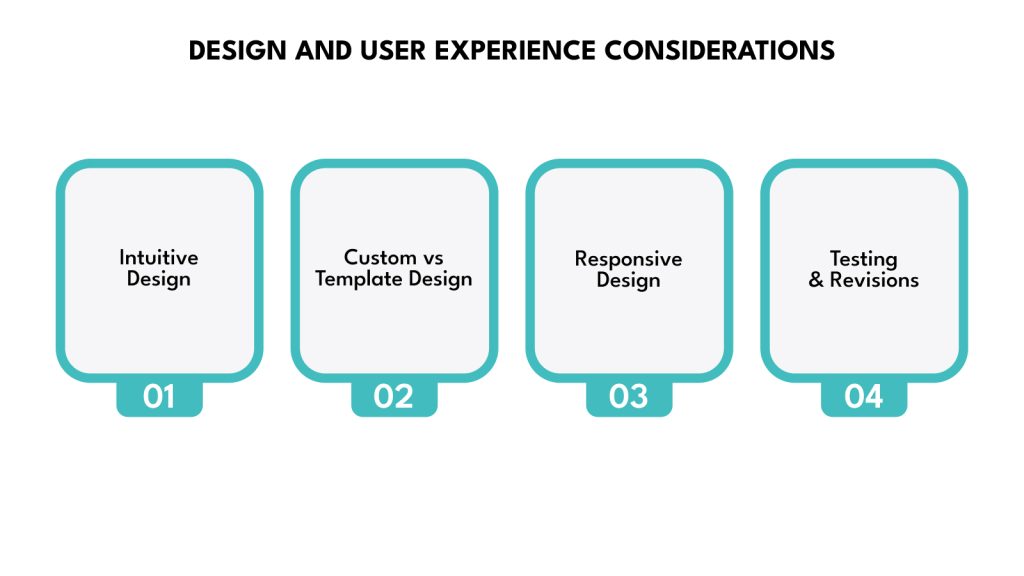
The design of your fantasy sports app has a direct impact on user engagement and retention. Below are some key considerations to keep in mind when budgeting for design.
1. Significance of Intuitive Design
A clean, intuitive design helps users easily navigate the app, find their teams, draft players, and track their scores without confusion. An intuitive design reduces frustration and encourages user retention.
- Ease of Use: A simple, user-friendly design reduces the learning curve.
- Efficient Navigation: Streamlining navigation reduces the time users spend searching for features.
2. Custom vs. Template Design
You can choose between custom-designed UI elements or pre-built templates. Custom designs are more costly but offer a unique experience, while templates are more affordable and faster to implement.
- Custom Designs: Provide a tailored experience, but come at a higher cost.
- Template Designs: Offer quicker turnaround times and are cost-effective, but less personalized.
3. Responsive Design for Multi-Device Compatibility
As users switch between devices, responsive design ensures they have a seamless experience on mobile phones, tablets, and desktops.
- Cross-Device Compatibility: Ensures that your app performs well on all devices, requiring extra development resources.
- Mobile-First Approach: Prioritizing mobile app design ensures better usability for the majority of users.
4. Testing and Revisions
Testing and refining the app based on user feedback is a critical part of the development process. Regular updates and testing ensure that bugs are identified and fixed, and the user experience is continually enhanced.
- Beta Testing: Collect feedback from a smaller user base before launching the product.
- User Feedback: Make iterative improvements based on user insights.
Your development team helps in both the app’s success and its overall cost structure, with each member contributing to different stages of development.
Development Team and Their Roles in Cost
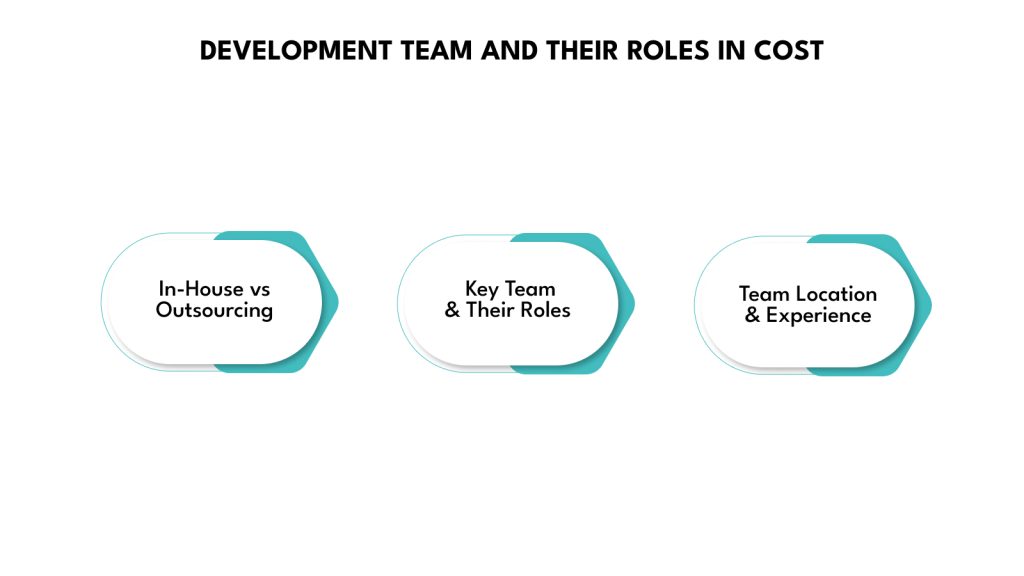
Choosing the right development team and understanding their roles in the process is crucial for managing costs effectively.
1. In-House vs. Outsourcing
Outsourcing can lower costs but may require additional coordination. In-house development provides greater control but at a higher cost.
- Outsourcing: More affordable, but may involve time zone and communication issues.
- In-House Development: Offers better control and faster communication, but requires a larger budget.
2. Key Team Members and Their Roles
A skilled development team is essential to building your app. Key members include project managers, front-end and back-end developers, UI/UX designers, and quality assurance testers.
- Project Manager: Oversees the project timeline and budget.
- Developers: Handle the coding, databases, and integrations.
- Designers: Focus on the app’s visual appearance and user experience.
- QA Testers: Ensure the app runs smoothly across different devices.
3. Team Location and Experience
The location and expertise of your development team directly impact the cost. Teams based in high-cost areas, such as the US or Western Europe, will have higher rates compared to teams in Eastern Europe or Asia.
- Local Development Teams: More expensive but offer better communication.
- Offshore Teams: Offer lower rates, but may require more management oversight.
Once the app is live, continuous testing, maintenance, and updates are necessary to keep it functional and competitive in the market.
Testing, Maintenance, and Ongoing Costs
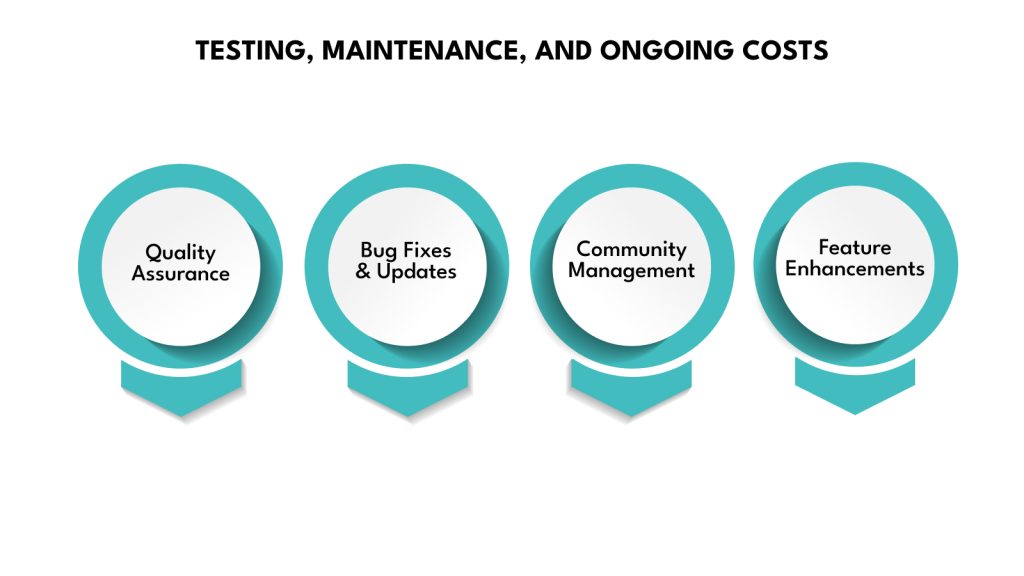
Once your app is launched, you need to account for ongoing testing, bug fixes, and maintenance to keep it running smoothly.
1. Quality Assurance and Beta Testing
QA testing ensures the app works as intended across various devices and scenarios.
- Continuous Testing: This involves regular testing cycles to monitor performance, catch bugs, and address issues as they arise. It’s important for handling new updates and ensuring the app remains stable as user loads increase.
- Beta Testing: Conducting a beta test before the full release helps identify usability issues and potential bugs. It allows real users to test the app in a real-world environment, providing valuable feedback to make improvements before the official launch.
2. Post-Launch Bug Fixes and Updates
No app is without its issues. Regular updates are necessary to fix bugs, improve features, and ensure security.
- Bug Fixes: Addressing bugs immediately after launch is crucial to maintain a smooth user experience. Whether it’s crashes, slow performance, or minor glitches, resolving these promptly prevents user frustration.
- Feature Updates: Regularly updating the app with new features and improvements is important for keeping it relevant and competitive. Responding to user feedback and market trends will help maintain engagement and satisfaction.
3. Customer Support and Community Management
Providing customer support ensures users have a positive experience and remain engaged with the app. It may include handling inquiries, resolving issues, and managing community interactions.
- Live Support: Providing real-time support through channels such as live chat or help desks can significantly enhance user satisfaction. This may increase operational costs due to the need for dedicated support staff.
- Community Management: Engaging with users on social media platforms or managing user forums enhances user loyalty. It requires time and resources for moderation and interaction, but it helps foster a sense of community and connection around the app.
4. Feature Enhancements and New Releases
Developing new features based on user demand or seasonal changes ensures that the app remains relevant and engaging, thereby enhancing its overall value.
- Seasonal Updates: Fantasy sports apps must adapt to sports seasons and events, necessitating timely updates to ensure the app remains relevant throughout the year. This can include updating team rosters, player stats, and introducing new events or leagues.
- User-Requested Features: Listening to user feedback and incorporating their suggestions for new features keeps the app fresh.
Finally, setting a realistic budget and estimating the costs carefully ensures that your fantasy sports app is developed within financial constraints while maximizing value.
Budgeting and Cost Estimation
Effective budgeting ensures that your development stays on track, without overspending or underdelivering. Below is a detailed breakdown of how to establish a realistic budget.
1. Establishing a Realistic Budget
Begin by defining the scope of your app, what features and platforms will be included, and use that to estimate costs.
- Scope Definition: Clearly outline the features your app will include, from basic functionalities like user registration and player stats to advanced features like player trading, live updates, and dynamic drafting. Each feature contributes to the complexity and cost.
- Cost Breakdown: Allocate funds for design, development, testing, and marketing. For example, the design phase may require a larger initial investment to create a user-friendly and visually appealing interface, while backend development might take up a larger portion of the budget as you scale.
2. Cost Estimation Methods
Utilize proven methods, such as function point analysis or analogous estimation, to accurately gauge your app’s development costs.
- Function Point Analysis: Evaluate each feature or module of the app and assign a cost based on its size and complexity. This method helps you estimate the effort needed for each part of the app and provides a more accurate cost projection.
- Analogous Estimation: Compare your app to similar projects and use historical data to estimate costs. This approach works well if you’re developing an app with similar features or functionality to those already on the market.
- Expert Judgment: Consult with experienced developers who can provide realistic estimates based on their prior experience with similar projects.
3. Planning for Contingencies
Contingency planning ensures that unexpected costs don’t derail your project.
- Buffer Budget: Set aside a percentage of your budget for unexpected expenses. This “buffer” ensures you can handle issues like scope changes, additional feature requests, or unforeseen technical challenges without derailing the project.
4. Evaluating Return on Investment (ROI)
Assessing ROI helps ensure that the app will deliver long-term value.
- Revenue Projections: Estimate potential earnings from monetization strategies like in-app purchases, ads, or premium features. By calculating expected profits, you can assess whether the project is financially viable.
Want to build a fantasy sports app that stands out in the competitive market? DEVtrust offers end-to-end custom software development services to bring your vision to life with precision and innovation.
The Bottom Line
Developing a successful fantasy sports app demands a well-thought-out strategy, where every decision from feature selection to platform choice affects both functionality and budget.
By prioritizing core features, ensuring scalability, and partnering with the right development team, you can create an app that not only stands out but also drives long-term user engagement.
At DEVtrust, we specialize in creating scalable, custom-built apps tailored to your business needs. With extensive experience in full-stack development, we ensure that your fantasy sports app is optimized for both performance and user experience.
Contact us today to start your project and turn your ideas into reality.
Cost to Develop a Fantasy Sports App
Understand the cost to develop a fantasy sports app, focusing on features, platform selection, and design. Plan your budget wisely. Start now!
Contact Us