Offshore software development offers U.S. companies a cost-effective way to access specialized talent while scaling operations. By outsourcing tasks to teams in different regions, businesses can reduce expenses and meet growing demands for faster development cycles.
With the offshore software market expected to grow from $120 billion in 2023 to $389.7 billion by 2033, more companies are recognizing its value. The key to success lies in selecting the right partner and model, ensuring tailored workflows, automation, and integrations with existing systems.
In this guide, we’ll explain offshore software development, its models, and the key factors to consider. We’ll also discuss the benefits, challenges, and how to manage offshore teams to ensure smooth and efficient project delivery.
Key Takeaways:
- Offshore software development lets you shift well-defined engineering work to teams in lower-cost regions while your U.S. team focuses on product, architecture, and high-risk features.
- When structured well, offshore teams can cut your engineering spend by 30–60% and reduce release cycles by several weeks through parallel work and extended time-zone coverage.
- The biggest risks aren’t technical; they’re communication, unclear ownership, and weak security and compliance practices across borders.
- Choosing the right partner means checking not only tech skills, but also industry experience, security certifications, and their ability to work with your existing tools and processes.
- A good offshore operating model covers the full lifecycle: scoping, team selection, agile delivery, automated testing and CI/CD, and post-launch support aligned with your SLAs.
Why U.S. Companies Choose Offshore Software Development?
Many U.S. companies choose offshore software development to reduce costs and access specialized talent. About 66% of companies outsource development tasks, allowing for tailored workflows, integrating with existing systems, and automation to speed up processes.
57% of businesses outsource to boost productivity, while 59% focus on reducing costs and shifting attention to core tasks. Offshore teams enable companies to scale quickly while ensuring smooth integration and efficient automation across projects.
These advantages set the stage for the top benefits of offshore software development for U.S. firms, which we’ll explore next.
Top Benefits of Offshore Software Development for U.S. Firms
Offshore software development offers multiple advantages, which is why so many companies are increasingly choosing to work with offshore teams. By outsourcing software development, businesses can reduce costs, access specialized talent, and accelerate project timelines.
The following are key benefits that make offshore software development an attractive option:
- Cost Savings: Offshore teams offer substantial cost reductions compared to in-house teams. Companies can save up to 70% on project costs by hiring offshore developers from regions with lower labor rates.
- Access to Global Talent: The demand for skilled technology professionals is high, and about 75% of global employers report challenges in hiring locally. This is especially valuable in industries like FinTech and HealthTech, where specialized skills are critical to meeting industry regulations.
- Faster Time to Market: Collaborating with offshore teams enables projects to progress continuously, allowing them to move forward around the clock. Since offshore teams often work in different time zones, companies can see faster development cycles and shorter time-to-market.
- Scalability and Flexibility: Offshore teams provide the flexibility to scale development resources according to project demands. This is especially useful in logistics and healthcare, where multi-region deployments or 24/7 operations are required.
- Focus on Core Business: By outsourcing development to offshore teams, businesses can focus on their core goals. A U.S. healthcare provider, for instance, can rely on offshore teams for system development while internal staff focus on patient care and regulatory compliance.
These benefits explain why offshore software development is an increasingly popular choice for businesses aiming to balance cost, speed, and quality.
The Offshore Software Development Process Explained
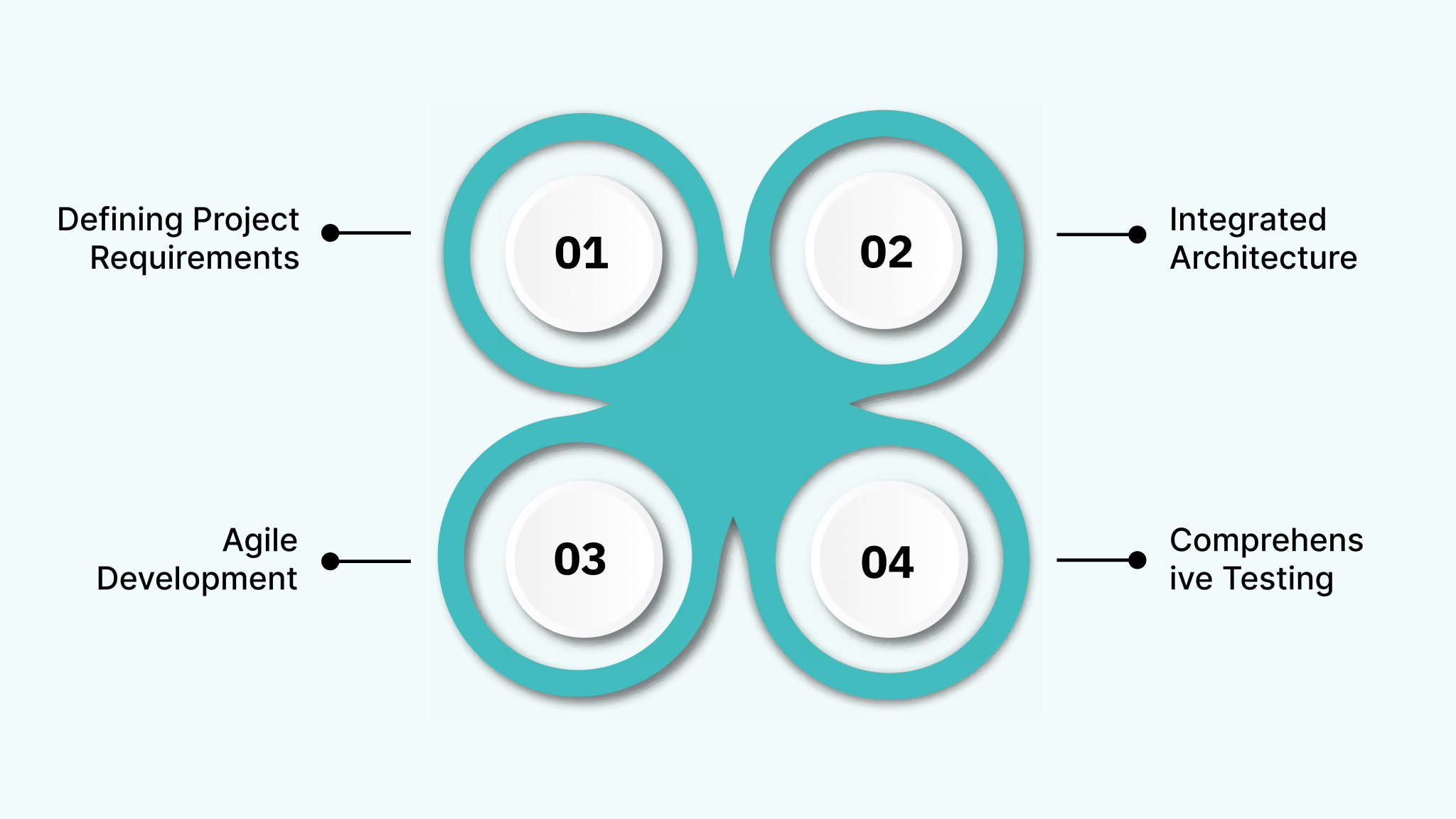
The offshore software development process follows a series of structured stages to ensure successful project delivery. By systematically addressing each phase, businesses can ensure offshore collaboration is effective and delivers high-quality software. Here’s a breakdown of each phase and how they contribute to a streamlined development cycle.
1. Defining Project Requirements and Scope
In this initial stage, both the business and the offshore team must align on the project’s goals and scope. This phase sets clear expectations and ensures that all parties are on the same page before development begins.
- Define project goals and objectives: Establish exactly what the software aims to achieve, such as enhancing user engagement or streamlining internal workflows.
- Identify technical requirements: Detail the technology stack (e.g., Python, Node.js), integration needs, and any third-party services (e.g., AWS, GCP) that will be part of the system.
- Set project timelines: Define clear milestones, deadlines, and delivery dates, with buffer periods for testing and iteration.
- Outline budget constraints: Clearly communicate budget limitations to guide scope adjustments and resource allocation throughout development.
2. Designing Scalable and Integrated Architecture
Once the project requirements are clear, it’s time to design the architecture. This stage ensures that the underlying system structure will meet the project’s scalability, performance, and integration needs.
- System design and architecture: Plan the software’s architecture to ensure scalability, security, and reliability, focusing on technologies that support both Front-End and Back-End needs (e.g., Python for back-end, React for front-end).
- Data modeling and storage: Define the database structure, ensuring it can handle the expected load and integrate with other systems (e.g., using AWS RDS or MongoDB for data storage).
- Tailored workflows and automation: Design workflows that fit the business needs, incorporating automation tools for efficiency and smoother development cycles.
- Integrations and API design: Define how the system will integrate with external services (e.g., payment gateways, CMS, or third-party APIs) for a seamless user experience.
3. Agile Development with a Focus on Scalability
The development phase begins once the architecture is in place. The focus during this phase is on building the core features and functionality of the software, following tailored, agile workflows that allow for flexibility and scalability.
- Build core features: Start with essential functionalities needed to meet business objectives, focusing on high-priority items such as UI/UX elements, CMS management, or AI/ML features.
- Follow agile workflows: Work in short sprints, delivering incremental updates and features while incorporating feedback for continuous refinement.
- Highlight scalability: Ensure the architecture is capable of handling future growth, such as more users or additional features.
- Incorporate automation and integrations: Use automation to streamline testing, deployment, and other processes. Integrate with external systems like CRMs, marketing tools, or data analytics platforms to enhance functionality.
4. Comprehensive Testing and Seamless Release
Once development is complete, the offshore team conducts thorough testing to ensure the product is free of bugs and functions as expected before launch.
- Unit testing: Test individual components to confirm they work as expected, particularly for Back-End and AI/ML features.
- Integration testing: Ensure that the software integrates seamlessly with third-party tools, databases, and APIs, making sure all components work together efficiently.
- User acceptance testing (UAT): Allow the business to validate the product’s features and functionality against requirements to confirm it meets expectations.
- Bug fixes and final adjustments: Address any issues discovered during testing, ensuring the product is production-ready and operates smoothly across all platforms.
By following these structured steps, businesses can manage offshore software development projects more effectively, ensuring high-quality results and smooth collaboration throughout the process.
Top Challenges in Offshore Software Development for U.S. Firms
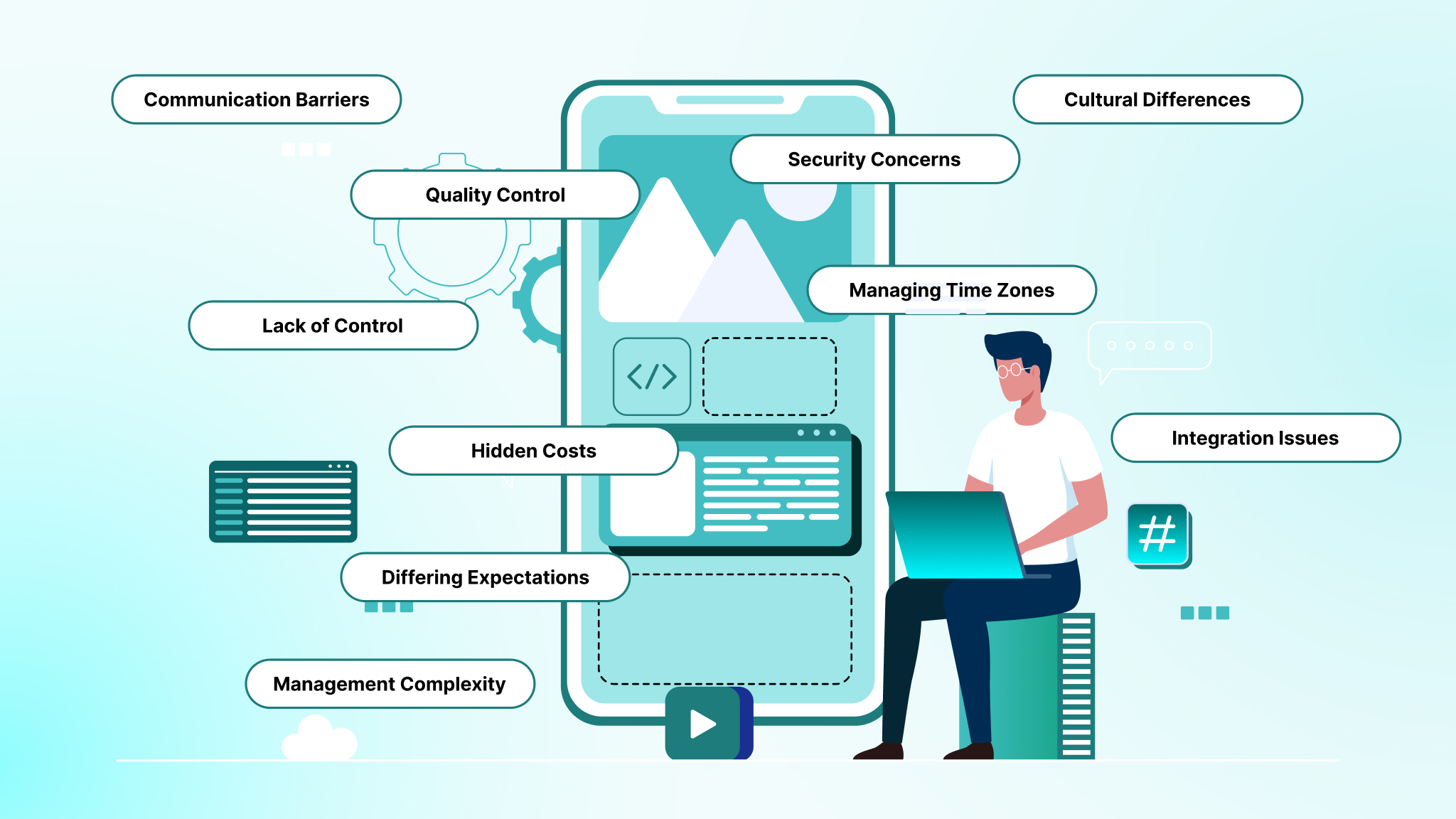
Offshore software development provides several advantages, but it also presents considerable challenges that businesses must handle effectively. If these challenges are not addressed properly, they can significantly affect the overall success of the project.
Below are the most common challenges companies face when working with offshore teams:
- Communication Barriers: Time zone differences and language gaps can cause misunderstandings, leading to delays and misalignment with project goals. Clear communication and regular check-ins are essential to avoid these issues.
- Cultural Differences: Varying work cultures can affect team dynamics, deadlines, and problem-solving approaches. Without alignment, this can result in inefficiencies and miscommunication.
- Quality Control: Maintaining high quality across remote teams can be difficult. Without proper processes for feedback, testing, and iteration, the final product might not meet expectations.
- Managing Time Zones: Coordinating across different time zones often leads to missed deadlines and slower decision-making. Proper scheduling and planning are needed to ensure steady progress.
- Security Concerns: Protecting sensitive data and intellectual property is challenging when working with offshore teams. Clear security protocols and data protection measures must be in place to mitigate risks.
- Lack of Control: With a team in a different location, maintaining day-to-day oversight can be tough. This lack of control may lead to delays and issues that are harder to address promptly.
- Integration Issues: Offshore teams may face challenges integrating their work with existing systems. Clear plans for integrating offshore development with in-house teams are needed to avoid complications.
- Hidden Costs: Unforeseen costs often arise from miscommunication or project scope changes. Detailed contracts and clearly defined project expectations help prevent these surprises.
- Differing Expectations: Misalignments in project scope, quality, and timelines can cause frustration and delays. Establishing clear expectations up front is crucial for success.
- Management Complexity: Managing offshore teams adds complexity, particularly around scalability. Ensuring that offshore teams can scale their efforts as project demands grow requires careful planning.
These challenges highlight the importance of clear communication, strong project management, and well-defined expectations when working with offshore development teams.
How to Choose the Right Offshore Partner for Your Business
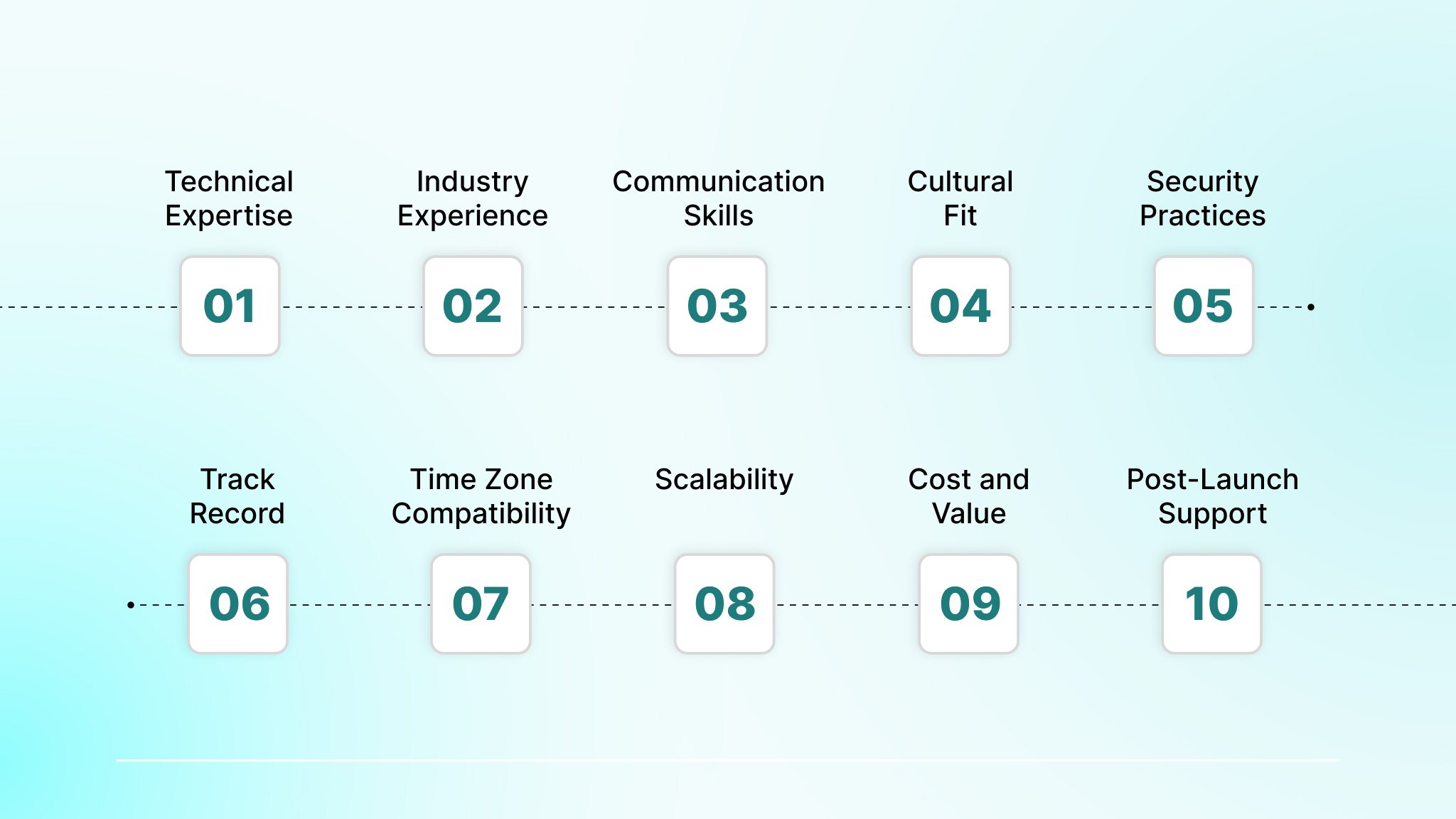
When selecting an offshore development partner, several key factors must be considered to ensure the project’s success. The top offshore software development destinations for U.S. companies are India (54%), China (26%), and the Philippines (18%).
Each of these regions offers distinct advantages and challenges, making it essential for you to select a partner that aligns with your business needs.
Here are some essential factors to keep in mind as you make this important decision:
- Technical Expertise:
Your partner should have deep knowledge in the technologies and frameworks that your project requires. Whether it’s React, Node.js, Python, or machine learning models, confirm that their team is skilled in your stack. For example, if you’re building an AI-powered platform, ensure they have solid experience with AI/ML frameworks like TensorFlow or PyTorch.
- Industry Experience:
Choose a partner that understands your industry’s specific needs. If you’re in FinTech, they should be familiar with regulatory requirements and security protocols like PCI-DSS compliance. If you’re in healthcare, they should have experience with HIPAA regulations and integrating with healthcare systems.
- Communication Skills:
Strong communication is essential to avoid delays and misalignment. Ensure that your offshore team can communicate effectively in English, and establish communication tools (e.g., Slack, Zoom, or Microsoft Teams) to stay aligned. For instance, daily stand-ups or bi-weekly sprint reviews help track progress and set clear expectations.
- Cultural Fit:
Cultural compatibility matters. Offshore teams that share your approach to deadlines, quality, and work hours can avoid frustration. For example, teams in the Philippines often have a similar work ethic to U.S. companies, making them a natural choice for U.S.-based teams.
- Security Practices:
Your offshore partner must have stringent security protocols in place. Look for certifications like ISO 27001 or SOC 2 compliance to ensure they protect your data. Ask about their practices for data encryption, secure software development lifecycles, and disaster recovery plans to safeguard sensitive information.
- Track Record:
Examine the partner’s past projects and client feedback. A company with a history of successful projects in your industry is more likely to deliver results. Request case studies or references that highlight their capabilities, including scalable software solutions or integrations with third-party systems.
- Time Zone Compatibility:
Consider the time zone difference and how it impacts real-time collaboration. Some U.S. companies prefer working with Indian teams because of the overlap with U.S. business hours, allowing for more synchronous collaboration. Make sure that the time zone gap supports your project’s timelines, especially during critical delivery phases.
- Scalability:
As your project grows, so should your development team. Your offshore partner should have the ability to scale up or down based on your evolving needs. For instance, if you need to add more developers or switch to a new technology, your partner should be able to adapt quickly without compromising quality.
- Cost and Value:
While cost is a key factor, value should take precedence. Avoid partners who offer the lowest rates but lack experience or technical depth. For example, paying a bit more for a team with experience in high-performance systems or integrations may lead to a more reliable long-term solution.
- Post-Launch Support:
Once your software is deployed, ongoing maintenance and support are crucial. Ensure your offshore partner provides clear post-launch service agreements. This can include bug fixes, software updates, or handling scaling challenges as your user base grows.
These considerations are crucial in selecting an offshore partner that can meet your technical needs, provide effective communication, and deliver high-quality results.
How DEVtrust Can Support Your Offshore Development Needs
Offshore software development comes with challenges like time zone differences, communication barriers, and maintaining quality. To overcome these, you need a partner who can build tailored workflows, implement automation, and ensure scalability and smooth integrations.
DEVtrust is equipped to handle these complexities and drive your project to success. Our expertise in custom software development, automation, and integrations ensures that your systems work together effectively and can scale as your business grows.
Below are key reasons to consider DEVtrust as your offshore software development partner.
- Tailored Software Solutions Aligned with U.S. Needs: We provide custom solutions in mobile app development, AI/ML, and back-end/front-end development, with a focus on scalability and seamless integration with your existing infrastructure. Our solutions are crafted to comply with U.S. standards, ensuring smooth integration between U.S. teams and offshore resources.
- Dedicated Team: DEVtrust assembles a dedicated team that focuses solely on your project, ensuring faster decision-making and continuous project alignment. This model allows for deep knowledge of your product and promotes smoother collaboration across time zones.
- Overlapping Hours for Better Collaboration: We ensure your offshore team works during overlapping hours with your U.S. team. This helps reduce communication delays and ensures your team can make decisions faster and stay aligned with your goals.
- Scalable Development: Our development approach ensures that your software is built to grow with your business, adapting to evolving needs without performance issues. This is especially important in industries like FinTech and mobile applications, where scalability is crucial for long-term success.
- Security Expertise: We prioritize security and ensure compliance with U.S. regulations like PCI-DSS, SOC 2, and HIPAA. Whether handling sensitive customer data or financial transactions, we follow U.S. protocols to protect your business and ensure compliance, even in an offshore environment.
- Service Level Agreements (SLAs) for Reliable Delivery: Our SLAs are built to meet the needs of U.S.-based companies. We establish clear timelines, milestones, and communication channels so you can expect on-time delivery and quality results. Our offshore team follows strict protocols to ensure your project stays on schedule and meets your expectations.
- Integrations: DEVtrust has extensive experience integrating third-party APIs, cloud services, and legacy systems. Whether it’s connecting payment gateways for FinTech or linking your backend with cloud platforms like AWS or Azure, we ensure your systems work together effectively.
- Quality Assurance (QA): Our thorough QA process includes unit testing, integration testing, and user acceptance testing (UAT). We follow best practices for testing to ensure your software is stable and meets the highest quality standards before deployment.
- Flexible Engagement Models: Choose from fixed price, time and materials, or fully dedicated teams to match your project’s scope and budget.
- Clear Communication: With regular updates and tools like Jira and Trello, we ensure that you stay informed and involved in the development process. Our teams use the best communication tools to overcome time zone challenges and ensure smooth collaboration.
DEVtrust has a history of consistently exceeding client expectations, with successful projects spanning diverse industries, including real estate, FinTech, EdTech, logistics, and healthcare.
A great example of our impact is the work we did with Draydex, where we developed a new rate management system that cut transaction wait times by 35%, boosted user satisfaction by 25%, and improved data reliability by 30%. The new system also reduced payment errors by 20% and lowered user complaints by 40%.
Take Your Business Forward with Offshore Software Development
Offshore software development provides a valuable solution for businesses seeking to reduce costs, tap into global talent, and accelerate growth. By carefully selecting the right partner and managing the development process effectively, you can ensure that your project delivers high-quality results.
It’s essential to address challenges such as communication, quality control, and security, but with the right approach, these can be overcome. If you’re thinking about offshore software development for your business, now is the perfect time to see how the right partner can help you succeed.

Frequestly Asked Questions
Related Articles

Custom Software Development
Enterprise Application Integration: What It Is and How It Works

Custom Software Development
How to Build a CRM in 2026: Step-by-Step Guide

Custom Software Development